




©2024 Instant Pet Supplies. All rights reserved.
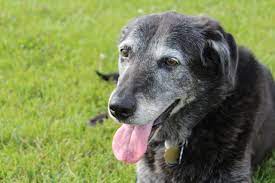
As our beloved furry friends age, it is essential to provide them with the proper care and support to ensure they live out their golden years comfortably and happily. Just like humans, pets require special attention as they grow older, including changes in diet, exercise routines, and overall healthcare. In this blog post, we will discuss some essential tips for senior pet care to help you support your aging companion and ensure they maintain a good quality of life in their later years.
Senior Pet Care: Essentials for Supporting Your Aging Companion
As our pets age, their needs change, and providing them with the right care becomes even more important to ensure they continue to live happy and comfortable lives. Senior pets require special attention, from diet adjustments to increased vet visits. Here’s a guide to the essentials for supporting your aging companion.
Understanding the Aging Process in Pets
Aging is a natural part of life, and like humans, pets experience physical and behavioral changes as they get older. These changes can include:
– Reduced Mobility: Arthritis and joint stiffness are common in senior pets, making movement more difficult.
– Decreased Senses: Vision, hearing, and smell may decline, affecting your pet’s ability to navigate their environment.
– Weight Fluctuations: Older pets may gain or lose weight due to changes in metabolism and activity levels.
– Cognitive Changes: Some pets experience cognitive decline, leading to confusion, disorientation, or changes in sleep patterns.
Recognizing these changes early allows you to adapt your care routine to meet your pet’s evolving needs.
Diet and Nutrition for Senior Pets
As pets age, their nutritional needs change. Senior pets often require diets that support joint health, maintain a healthy weight, and address any specific health issues.
1. Age-Appropriate Diet
– Transition your pet to a senior-specific diet that is lower in calories but rich in essential nutrients like omega-3 fatty acids, glucosamine, and chondroitin, which support joint health and reduce inflammation.
2. Portion Control
– Monitor your pet’s weight and adjust portion sizes accordingly. Obesity can exacerbate health problems like arthritis and heart disease, so it’s important to prevent weight gain.
3. Supplements
– Consider adding supplements to your pet’s diet to support their health. Common supplements for senior pets include fish oil (for joint and heart health), probiotics (for digestive health), and antioxidants (for cognitive function).
4. Hydration
– Ensure your pet stays hydrated, as older pets may be more prone to dehydration. Provide fresh water at all times and consider adding wet food to their diet for additional moisture.
Mobility and Comfort for Senior Pets
Maintaining mobility and ensuring comfort are key aspects of senior pet care. With age, pets may experience joint pain, stiffness, and reduced agility.
1. Orthopedic Beds
– Provide a supportive, orthopedic bed that cushions your pet’s joints and reduces pressure points. Heated beds can also offer comfort to pets with arthritis.
2. Ramps and Stairs
– Install ramps or pet stairs to help your pet access furniture or get into the car without jumping, which can strain their joints.
3. Joint Support
– In addition to diet, you can support your pet’s joints with supplements like glucosamine and chondroitin, or by incorporating gentle, low-impact exercise such as swimming.
4. Massage and Physical Therapy
– Regular massages can help alleviate muscle tension and improve circulation. Physical therapy sessions can also help maintain mobility and strengthen muscles.
Regular Veterinary Care for Senior Pets
Frequent vet visits become more important as your pet ages. Regular check-ups help detect and manage health issues before they become serious.
1. Twice-Yearly Check-Ups
– Schedule vet visits at least twice a year to monitor your pet’s health. Your vet may recommend blood tests, urinalysis, and other diagnostics to catch early signs of disease.
2. Dental Care
– Dental health is crucial for senior pets, as dental disease can lead to pain and other health issues. Regular cleanings and at-home dental care, such as brushing and dental chews, are essential.
3. **Vaccinations and Parasite Control**
– Keep up with vaccinations and parasite prevention, as older pets can be more susceptible to infections and infestations.
4. Pain Management
– If your pet is experiencing chronic pain, discuss pain management options with your vet. Medications, supplements, and alternative therapies like acupuncture can help improve their quality of life.
Cognitive and Emotional Support for Senior Pets
Cognitive decline, or “senior moments,” can affect your pet’s behavior. Providing mental stimulation and emotional support is essential to their well-being.
1. Interactive Toys and Puzzles
– Keep your pet’s mind sharp with interactive toys and puzzles that challenge their problem-solving skills.
2. Routine and Familiarity
– Stick to a consistent routine to reduce anxiety and confusion. Familiar surroundings and predictable schedules help senior pets feel secure.
3. Comfort and Affection
– Senior pets may need extra comfort and reassurance. Spend quality time with your pet, offering plenty of affection and attention to keep them emotionally healthy.
4. Environmental Adjustments
– Make your home more senior-pet-friendly by reducing hazards like slippery floors and minimizing the need for stairs. Keep their bed, food, and water in easily accessible areas.
End-of-Life Care and Quality of Life
As your pet approaches the end of their life, focusing on their comfort and quality of life becomes the priority.
1. Pain and Symptom Management
– Work with your vet to manage pain and symptoms effectively. Hospice care or palliative treatments can provide comfort during this stage.
2. Comfort and Dignity
– Ensure your pet’s comfort by maintaining their environment, providing easy access to necessities, and offering plenty of love and attention.
3. Decision-Making
– Making end-of-life decisions is never easy, but it’s important to consider your pet’s quality of life. Discuss options with your vet, including euthanasia, if your pet is suffering and has no chance of recovery.
4. Support for You
– Don’t hesitate to seek support for yourself during this difficult time. Grieving the loss of a pet is natural, and talking to friends, family, or a pet loss support group can help.
CONCLUSION
Caring for a senior pet is a deeply rewarding experience that allows you to give back the love and companionship they’ve provided over the years. By understanding their changing needs and adjusting your care routine accordingly, you can ensure your aging companion enjoys their golden years in comfort and happiness. Whether through diet, mobility support, regular veterinary care, or simply offering extra affection, your efforts will make a meaningful difference in their quality of life.
Providing proper care for your aging companion is essential for ensuring they live out their golden years comfortably and happily. By scheduling regular check-ups with your veterinarian, maintaining a proper diet, incorporating gentle exercise into their routine, and making adjustments around the house as needed, you can support your senior pet’s health and well-being as they age. Remember that every pet is unique, so be sure to consult with your vet about the best ways to care for your individual aging companion. With love and attention, you can help ensure that your senior pet enjoys a happy and fulfilling life well into their later years.

©2024 Instant Pet Supplies. All rights reserved.