
Puppy Love: Essential Supplies for Your New Furry Friend

Bringing home a new puppy is an exciting and joyous occasion. Your new furry friend will bring so much happiness and love into your life, but it’s important to make sure you have all the essential supplies to keep them happy, healthy, and safe. From food and water bowls to grooming tools and toys, there are a few key items that every new puppy parent should have on hand. In this blog post, we’ll discuss some of the must-have supplies for your new four-legged family member.
- Food and Water Bowls: One of the first things you’ll need to buy for your new puppy is a set of food and water bowls. Make sure to choose bowls that are the right size for your puppy’s breed and age, as well as ones that are easy to clean. Stainless steel or ceramic bowls are usually the best options, as they are durable and hygienic.
- Bedding: A comfortable bed is essential for your puppy to have a good night’s sleep. There are many different types of dog beds available, from plush pillows to cozy caves. Choose one that is soft, supportive, and easy to clean. Your puppy will thank you for it!
- Collar and Leash: It’s important to start training your puppy early on how to walk on a leash. A sturdy collar with ID tags and a leash are essential for keeping your pup safe when out for walks or trips to the vet. Make sure the collar fits properly – you should be able to fit two fingers between the collar and your puppy’s neck.
- Grooming Supplies: Regular grooming is important for keeping your puppy looking their best and maintaining their overall health. Invest in a good quality brush, nail clippers, shampoo, and ear cleaner specifically designed for dogs. Regular grooming sessions will help strengthen the bond between you and your furry friend.
- Toys: Puppies love to play! Providing them with a variety of toys not only keeps them entertained but also helps with their physical exercise and mental stimulation. Look for toys that are safe, durable, and appropriate for your puppy’s size and age. Chew toys can also help with teething pain.
Puppy Love: Essential Supplies for Your New Furry Friend
Bringing home a new puppy is an exciting and joyful experience. To ensure your new furry friend feels comfortable, safe, and well-cared for, it’s essential to have the right supplies on hand. This guide will walk you through the must-haves for your puppy’s arrival, from feeding essentials to toys and training tools.
1. Comfortable and Safe Living Space
Creating a safe and cozy environment is the first step in making your puppy feel at home.
– Crate: A crate is a valuable tool for house training and providing your puppy with a secure place to rest. Choose a crate that’s large enough for your puppy to stand, turn around, and lie down comfortably, but not so large that they can eliminate in one corner and sleep in another. Consider a crate with a divider that you can adjust as your puppy grows.
– Bedding: Provide soft, durable bedding that fits inside the crate or wherever your puppy sleeps. Look for washable materials that can withstand chewing. Orthopedic beds are great for extra comfort, especially for breeds prone to joint issues.
– Playpen or Baby Gates: A playpen or baby gates can help you confine your puppy to a safe area of your home, preventing them from getting into trouble while they’re still learning the rules.
2. Feeding Essentials
Proper nutrition is key to your puppy’s growth and development.
– Food and Water Bowls: Choose sturdy, non-tip bowls made of stainless steel or ceramic, as they are easy to clean and resist bacterial growth. Avoid plastic bowls, which can harbor bacteria and may cause skin irritation.
– Puppy Food: Select a high-quality puppy food that meets the nutritional requirements for your puppy’s breed and size. Puppies have different dietary needs than adult dogs, so make sure you’re feeding them a food specifically formulated for their age.
– Treats: Keep healthy, puppy-friendly treats on hand for training and positive reinforcement. Look for treats that are soft, easy to chew, and made with high-quality ingredients.
– Food Storage: Store your puppy’s food in an airtight container to keep it fresh and protect it from pests. This also helps maintain the food’s nutritional value.
3. Grooming Supplies
Regular grooming is important for your puppy’s hygiene and health.
– Brush and Comb: Choose a brush and comb suitable for your puppy’s coat type. Regular brushing helps prevent matting, reduces shedding, and keeps their coat shiny and healthy.
– Nail Clippers: Trim your puppy’s nails regularly to prevent overgrowth, which can cause discomfort and lead to joint issues. Start trimming their nails early so they get used to the process.
– Shampoo and Conditioner: Use a gentle, puppy-specific shampoo and conditioner when bathing your pup. Avoid using human shampoos, which can be too harsh for their sensitive skin.
– Toothbrush and Toothpaste: Dental care is crucial for your puppy’s overall health. Use a toothbrush and toothpaste designed for dogs to brush your puppy’s teeth regularly and prevent dental disease.
– Ear Cleaner: Keep your puppy’s ears clean and free of debris with a gentle ear cleaner. Regular ear cleaning helps prevent infections, especially in breeds with floppy ears.
4. Training Tools
Training is a vital part of raising a well-behaved puppy.
– Collar or Harness: Choose a comfortable, adjustable collar or harness for your puppy. Make sure it fits snugly but not too tight—two fingers should fit between the collar and your puppy’s neck. Consider a harness for small breeds or puppies prone to pulling.
– Leash: A standard 4-6 foot leash is ideal for training and daily walks. Avoid retractable leashes for young puppies, as they can be difficult to control.
– ID Tags: Attach an ID tag to your puppy’s collar with your contact information. Microchipping your puppy is also a good idea in case they get lost.
– Puppy Pads: Puppy pads are useful for house training, especially if you live in an apartment or need to leave your puppy alone for extended periods. Gradually transition your puppy from pads to outdoor potty breaks as they grow.
– Clicker: A clicker is a great tool for positive reinforcement training. It helps you communicate clearly with your puppy and reinforce good behavior.
5. Toys and Enrichment
Toys are essential for your puppy’s mental and physical development.
– Chew Toys: Puppies love to chew, especially when teething. Provide a variety of durable chew toys to keep them entertained and prevent them from chewing on furniture or shoes. Look for toys made from safe, non-toxic materials.
– Interactive Toys: Interactive toys, such as puzzle toys or treat-dispensing toys, stimulate your puppy’s mind and keep them engaged. These toys can help prevent boredom and destructive behavior.
– Fetch Toys: Soft balls or plush toys are great for playing fetch, a fun way to bond with your puppy and provide them with exercise.
– Comfort Toys: Soft, cuddly toys can provide comfort to your puppy, especially when they’re adjusting to their new home. Some toys even come with a heartbeat feature to mimic the feeling of being close to their littermates.
6. Health and Safety
Ensuring your puppy’s health and safety is a top priority.
– Veterinarian Care: Schedule a vet appointment soon after bringing your puppy home for a check-up and to start vaccinations. Your vet can provide you with a vaccination schedule, advice on flea and tick prevention, and recommendations for parasite control.
– First Aid Kit: Keep a basic first aid kit on hand for your puppy. Include items like bandages, antiseptic wipes, tweezers, and a pet-safe pain reliever. Familiarize yourself with basic first aid procedures for pets.
– Flea and Tick Prevention Protect your puppy from fleas, ticks, and other parasites with a vet-recommended prevention plan. This may include topical treatments, oral medications, or flea collars.
– Poop Bags: Always carry poop bags when you take your puppy for a walk. Proper waste disposal is not only courteous but also helps prevent the spread of disease.
Conclusion
Bringing a new puppy into your home is a wonderful experience, and having the right supplies will help you provide the best care possible for your new furry friend. From creating a cozy living space to ensuring they have the proper nutrition and grooming tools, these essentials will set you up for success as you begin your journey together. With love, patience, and the right supplies, your puppy will grow into a happy, healthy, and well-behaved dog.
Welcoming a new puppy into your home is an exciting time filled with love and joy. By ensuring that you have all the essential supplies ready before bringing your new furry friend home, you can set both yourself and your puppy up for success. From food and water bowls to grooming supplies and toys, each item plays an important role in keeping your puppy happy, healthy, and safe. Remember that every puppy is different, so don’t be afraid to experiment with different products until you find what works best for your unique companion!
- Published in Pet Essentials
Cat Care Basics: Everything You Need to Pamper Your Feline

Cats are wonderful companions that bring joy and comfort to our lives. As cat owners, it is important for us to provide them with the best care possible to ensure they live happy and healthy lives. From nutrition to grooming, there are a variety of ways we can pamper our feline friends. In this blog post, we will cover the basics of cat care and provide you with tips on how to keep your cat happy and thriving.
- Nutrition: The first step in caring for your cat is providing them with a balanced diet. Cats are obligate carnivores, which means they require a diet high in animal-based protein. Look for high-quality cat food that lists meat as the first ingredient. Avoid foods that contain fillers like corn or wheat, as these do not provide adequate nutrition for your cat. Additionally, make sure your cat has access to fresh water at all times to stay hydrated.
- Grooming: Regular grooming is essential for keeping your cat’s coat healthy and free of mats. Brush your cat regularly to remove loose fur and prevent hairballs. Depending on the breed of your cat, you may need to trim their nails or clean their ears periodically. It’s also important to schedule regular visits to the veterinarian for professional grooming and check-ups.
- Enrichment: Cats are natural hunters and explorers, so it’s important to provide them with plenty of mental stimulation and physical exercise. Invest in toys that encourage play and mimic hunting behaviors, such as interactive toys or laser pointers. Create vertical spaces for your cat to climb and perch, like shelves or cat trees. Consider setting up a window perch so your cat can watch birds or squirrels outside.
- Litter Box Maintenance: Keeping your cat’s litter box clean is crucial for their health and well-being. Scoop out waste daily and replace litter as needed to prevent odors and bacteria buildup. Place the litter box in a quiet, easily accessible location away from food and water dishes. Make sure you have one litter box per cat plus an extra one, especially if you have multiple cats.
- Love and Attention: Last but not least, show your cat love and attention every day. Spend quality time cuddling with them, playing games, or simply talking to them in soothing tones. Cats thrive on routine and consistency, so try to establish a daily schedule that includes feeding times, playtime, and snuggle sessions.
CONCLUSION
By following these basic guidelines for cat care, you can ensure that your feline friend receives the love and attention they deserve while staying healthy and happy. Remember that each cat is unique, so pay attention to their individual needs and preferences when caring for them. With proper nutrition, grooming, enrichment activities, litter box maintenance, and lots of love, you can pamper your furry companion for years to come.
- Published in Pet Essentials
Fish Fundamentals: Setting Up Your First Aquarium
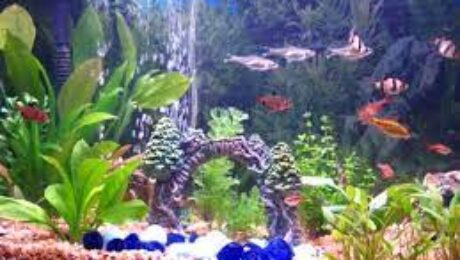
Setting up your first aquarium can be an exciting and rewarding experience. However, it can also be overwhelming if you don’t know where to start. From choosing the right tank size to selecting the appropriate fish species, there are many factors to consider when creating a thriving aquatic environment. In this guide, we will cover the fundamentals of setting up your first aquarium to help you get started on the right foot.
The first step in setting up your aquarium is choosing the right tank size. The size of your tank will depend on the space available in your home as well as the type and number of fish you plan to keep. A good rule of thumb is to allow one gallon of water per inch of fish. This will ensure that your fish have plenty of room to swim and thrive. Additionally, larger tanks are generally easier to maintain because they provide a more stable environment for your fish.
Once you have chosen the right tank size, it’s time to select the appropriate equipment for your aquarium. You will need a filtration system to keep the water clean and oxygenated, a heater to maintain a consistent temperature, and a lighting system to simulate day and night cycles for your fish. It’s important to invest in high-quality equipment from reputable brands to ensure the health and safety of your fish.
After setting up your tank and installing all necessary equipment, it’s time to add substrate and decorations. Gravel or sand can be used as substrate at the bottom of your tank, providing a natural environment for your fish to explore. Decorations such as rocks, plants, and driftwood not only enhance the aesthetic appeal of your aquarium but also provide hiding spots and shelter for your fish.
When it comes to selecting fish for your aquarium, research is key. Different species have different requirements in terms of water temperature, pH levels, diet, and compatibility with other fish. It’s important to choose species that are compatible with each other and with the conditions in your tank. Start with hardy species that are easy to care for before branching out into more challenging species.
Finally, maintaining water quality is essential for the health and well-being of your fish. Regular water changes, proper filtration, testing water parameters, and monitoring temperature are all important aspects of aquarium maintenance. Remember that keeping an aquarium is a commitment that requires time and effort but with proper care, you can create a beautiful underwater world for your fish.
Fish Fundamentals: Setting Up Your First Aquarium
Setting up your first aquarium is an exciting and rewarding experience. Whether you’re a beginner or looking to expand your knowledge, creating a healthy and thriving aquatic environment requires careful planning and attention to detail. This guide will walk you through the essential steps for setting up your first aquarium, from selecting the right tank to introducing your fish.
1. Choosing the Right Aquarium
Your first decision is selecting the right tank. The size and type of aquarium you choose will impact the health and happiness of your fish.
– Tank Size: For beginners, a larger tank (at least 20 gallons) is recommended. Larger tanks are more stable and forgiving of minor mistakes in water quality management. Smaller tanks require more frequent maintenance and can quickly become inhospitable if something goes wrong.
– Tank Shape: Rectangular tanks are the most common and provide ample surface area for gas exchange. Tall or unusually shaped tanks can look attractive but may pose challenges for maintenance and fish compatibility.
– Material: Glass tanks are durable and scratch-resistant, while acrylic tanks are lighter and less likely to break but are prone to scratching. Choose the material based on your needs and budget.
2. Essential Equipment
Having the right equipment is crucial for maintaining a healthy aquarium.
– Filter: A good filtration system is essential for keeping the water clean and safe for your fish. Choose a filter that matches your tank size and type of fish. There are three types of filtration to consider: mechanical (removes debris), biological (breaks down waste), and chemical (removes toxins).
– Heater: Most tropical fish require a stable water temperature between 75-80°F (24-27°C). A reliable aquarium heater with a thermostat will help maintain this temperature. Make sure the heater is suitable for your tank size.
– Lighting: Proper lighting is important for both fish and plants. LED lights are energy-efficient and long-lasting, offering a range of colors to enhance the appearance of your tank. If you plan to keep live plants, make sure the lighting is strong enough to support their growth.
– Substrate: The substrate is the material that lines the bottom of the tank. Gravel or sand are popular choices. The type of substrate you choose depends on the fish and plants you plan to keep. Fine gravel or sand is ideal for bottom-dwelling fish, while certain plants may require nutrient-rich substrates.
– Thermometer: A thermometer allows you to monitor the water temperature accurately. Stick-on thermometers are convenient, but digital thermometers with probes are more precise.
– Water Conditioner: Tap water contains chlorine and other chemicals that are harmful to fish. Use a water conditioner to neutralize these chemicals and make the water safe for your aquarium.
– Air Pump and Air Stone: An air pump and air stone provide additional oxygenation, which is especially important in densely stocked tanks. They also create water movement, which helps prevent stagnant areas.
3. Setting Up the Aquarium
Once you have all the necessary equipment, it’s time to set up your aquarium.
1. Positioning the Tank:
– Choose a stable, level surface away from direct sunlight, which can cause algae growth and temperature fluctuations. Ensure the stand or surface can support the weight of the filled tank (water weighs about 8.34 pounds per gallon).
2. Rinsing the Tank and Equipment:
– Before adding anything to the tank, rinse the aquarium, substrate, and decorations with warm water (no soap or chemicals). This removes dust and debris that could cloud the water.
3. Adding the Substrate:
– Spread the substrate evenly across the bottom of the tank, creating a gentle slope from the back to the front. This not only adds depth to your aquascape but also helps with waste management as debris tends to collect in the front.
4. Filling the Tank:
– Place a plate or plastic bag over the substrate to prevent displacement and slowly fill the tank with water. Fill it halfway, then arrange your decorations and plants before filling it to the top.
5. Installing Equipment:
– Install the filter, heater, and any other equipment according to the manufacturer’s instructions. Ensure the heater is submerged and positioned near a good flow of water to distribute heat evenly.
6. Cycling the Tank:
– Before adding fish, the tank needs to be cycled. Cycling establishes beneficial bacteria that convert toxic ammonia into less harmful nitrites and nitrates. This process can take several weeks. You can cycle the tank using fish food, pure ammonia, or a commercial bacterial supplement.
4. Selecting and Introducing Fish
Once your tank is cycled and stable, it’s time to introduce your fish.
– Choosing Fish: Start with hardy species that can tolerate minor fluctuations in water quality. Common beginner fish include guppies, tetras, mollies, and bettas. Research each species’ specific needs, such as temperature, pH, and compatibility with other fish.
– Stocking Levels: Avoid overcrowding your tank. A general rule is one inch of fish per gallon of water, but this varies depending on the species and their activity levels. Understocking is always better than overstocking, especially for beginners.
– Acclimating Fish: Acclimate your fish slowly to their new environment to prevent shock. Float the sealed bag with the fish in the tank for 15-20 minutes to equalize the temperature. Then, gradually add small amounts of tank water to the bag over the next 30-60 minutes before releasing the fish into the tank.
5. Maintaining Your Aquarium
Regular maintenance is key to a healthy aquarium.
– Weekly Water Changes: Perform partial water changes (10-20% of the tank’s volume) weekly to remove waste and replenish essential minerals. Use a gravel vacuum to clean the substrate during water changes.
– Filter Maintenance: Clean the filter media monthly to remove accumulated debris. Avoid washing the filter media in tap water, as this can kill beneficial bacteria. Instead, rinse it in a bucket of tank water.
– Monitor Water Parameters: Regularly test the water for ammonia, nitrites, nitrates, and pH using an aquarium test kit. Keep a log of the results to spot any trends or issues early.
– Algae Control: Algae growth is normal, but excessive algae can indicate an imbalance in the tank. Reduce feeding, adjust lighting, or introduce algae-eating fish or snails if needed.
CONCLUSION
Setting up your first aquarium is a rewarding experience that requires careful planning and attention to detail. By following these steps, you can create a beautiful and healthy environment for your fish to thrive. With the right setup and ongoing care, your aquarium will bring you joy and relaxation for years to come. Happy fishkeeping!
Setting up your first aquarium can be a fun and rewarding experience if done correctly. By following these fundamentals – choosing the right tank size, selecting appropriate equipment, adding substrate and decorations thoughtfully, researching fish species carefully, and maintaining water quality diligently – you can create a thriving aquatic ecosystem for your newfound friends. Remember that patience is key when starting an aquarium; take the time to set up everything properly before adding any fish. With dedication and commitment, you can enjoy watching your aquatic pets flourish in their new home!
- Published in Pet Essentials
Birds of a Feather: Must-Haves for Your Feathered Friends

Birds of a Feather: Must-Haves for Your Feathered Friends
Caring for birds requires a deep understanding of their unique needs. Whether you’re a seasoned bird owner or a first-time bird parent, providing the right environment and essentials is key to ensuring your feathered friend’s health and happiness. Here’s a guide to the must-haves for your pet birds.
1. Spacious and Safe Cage
The cage is your bird’s primary home, so it’s essential to choose one that meets their needs.
– Size Matters: Select a cage that is spacious enough for your bird to spread its wings fully, move around, and play. The larger the cage, the better, especially for active species like parrots and cockatiels.
– Bar Spacing: Ensure the bars are appropriately spaced to prevent your bird from getting stuck. Smaller birds like finches and canaries need closer bar spacing, while larger birds like parrots can have wider spacing.
– Material and Design: Choose a cage made of non-toxic, durable materials like stainless steel. The design should include horizontal bars for climbing and a secure, easy-to-clean bottom tray.
2. Perches and Climbing Toys
Birds need perches and climbing toys to exercise their feet and keep their beaks and claws trimmed.
– Variety of Perches: Provide a variety of perch sizes and textures to promote foot health. Natural wood perches are great for mimicking a bird’s natural environment, while rope perches can offer a softer option.
– Climbing Ladders and Ropes: Birds love to climb, so include ladders, ropes, and swings in their cage. These not only provide exercise but also mental stimulation.
– Avoid Sandpaper Perches: Sandpaper-covered perches can cause irritation and injury to your bird’s feet, so it’s best to avoid them.
3. Nutritious Bird Food
A balanced diet is crucial for your bird’s health. Birds require a mix of seeds, pellets, fresh fruits, and vegetables.
– Species-Specific Diet: Different bird species have different dietary needs. Research or consult a vet to determine the best diet for your bird’s species. Parrots, for instance, require a mix of pellets, fresh produce, and some seeds, while finches may thrive on a seed-based diet supplemented with greens.
-Fresh Fruits and Vegetables: Offer fresh fruits and vegetables daily. Safe options include apples (without seeds), carrots, leafy greens, and berries. Avoid toxic foods like avocado, chocolate, and caffeine.
– Clean Water: Ensure fresh, clean water is always available. Change the water daily and clean the water dish regularly to prevent bacterial growth.
4. Enrichment and Mental Stimulation
Birds are intelligent creatures that need mental stimulation to prevent boredom and behavioral issues.
-Interactive Toys: Provide a variety of toys that challenge your bird’s mind. Puzzle toys, foraging toys, and toys that make noise or have moving parts can keep your bird engaged.
– Foraging Opportunities: Encourage natural foraging behavior by hiding treats in toys or using foraging trays. This not only provides mental stimulation but also helps prevent overeating.
– Rotating Toys: Regularly rotate the toys in your bird’s cage to keep things fresh and interesting.
5. Grooming Essentials
Regular grooming is important for your bird’s hygiene and health.
– Bird Bath or Misting: Birds love to bathe, so provide a shallow bird bath or mist your bird with water a few times a week. This helps keep their feathers clean and skin healthy.
– Nail Trimming: Keep your bird’s nails trimmed to prevent overgrowth, which can cause discomfort or injury. If you’re unsure how to do this, consult a vet or a professional groomer.
– Beak Care: Provide cuttlebones or mineral blocks to help your bird naturally trim its beak. Overgrown beaks can lead to feeding difficulties and require professional attention.
6. Social Interaction and Attention**
Birds are social animals that thrive on interaction. Lack of attention can lead to behavioral problems.
– Daily Interaction: Spend time interacting with your bird daily. Talk to them, play games, and let them out of the cage to explore in a safe environment.
– Bonding and Training: Building trust with your bird is essential. Use positive reinforcement techniques to train your bird, whether it’s teaching them simple tricks or encouraging them to step up onto your hand.
– Companionship: Some bird species, like budgies and lovebirds, are happier when they have a companion of the same species. Consider getting a second bird if you have the space and resources to care for both.
7. Clean Environment
Maintaining a clean environment is crucial for your bird’s health.
– Cage Cleaning: Clean the cage regularly, removing old food, droppings, and any debris. Disinfect the cage and accessories weekly to prevent the buildup of bacteria and fungi.
– Air Quality: Ensure good ventilation and avoid using strong-smelling chemicals or aerosols near your bird, as their respiratory systems are sensitive. Consider using an air purifier to improve air quality, especially if you have multiple birds.
– Safe Space: Create a bird-safe room or area where your bird can fly and explore outside of the cage. Ensure windows are covered, and any hazards are removed to prevent accidents.
CONCLUSION
Caring for your feathered friend involves more than just providing food and water. By creating a stimulating environment, offering proper nutrition, and giving them the attention they need, you’ll ensure your bird leads a happy, healthy life. Whether you have a small finch or a large parrot, these must-haves will help you provide the best care possible for your feathered companion.
- Published in Pet Essentials
Senior Pet Care: Essentials for Supporting Your Aging Companion

As our beloved furry friends age, it is essential to provide them with the proper care and support to ensure they live out their golden years comfortably and happily. Just like humans, pets require special attention as they grow older, including changes in diet, exercise routines, and overall healthcare. In this blog post, we will discuss some essential tips for senior pet care to help you support your aging companion and ensure they maintain a good quality of life in their later years.
- The first step in caring for your senior pet is to schedule regular check-ups with your veterinarian. As pets age, they are more prone to developing health issues such as arthritis, dental problems, and weight gain. By taking your pet to the vet for routine exams, you can catch any potential health concerns early on and work with your vet to create a plan for managing these issues. Your vet may recommend bloodwork, dental cleanings, or other preventative measures to keep your senior pet healthy.
- Another crucial aspect of senior pet care is maintaining a proper diet. As pets age, their nutritional needs change, and it is important to adjust their diet accordingly. Senior pets may require food that is lower in calories but higher in protein to help maintain muscle mass and energy levels. Additionally, certain supplements such as glucosamine or omega-3 fatty acids may be beneficial for older pets with joint pain or mobility issues. Consult with your veterinarian to determine the best diet plan for your aging companion.
- In addition to regular vet visits and a proper diet, exercise is also key to supporting your senior pet’s health and well-being. While older pets may not be able to engage in high-intensity activities like they used to, gentle exercise such as short walks or low-impact play sessions can help keep them active and maintain muscle tone. Exercise also provides mental stimulation and helps prevent obesity in senior pets. Be sure to tailor your pet’s exercise routine to their individual needs and abilities.
- As your pet ages, you may also need to make adjustments around the house to accommodate their changing needs. For example, providing ramps or steps can help older pets get on and off furniture more easily if they have mobility issues. Placing non-slip mats on slippery surfaces can prevent slips and falls that could lead to injuries. Creating a comfortable sleeping area with soft bedding can also help alleviate joint pain or arthritis discomfort in senior pets.
Senior Pet Care: Essentials for Supporting Your Aging Companion
As our pets age, their needs change, and providing them with the right care becomes even more important to ensure they continue to live happy and comfortable lives. Senior pets require special attention, from diet adjustments to increased vet visits. Here’s a guide to the essentials for supporting your aging companion.
Understanding the Aging Process in Pets
Aging is a natural part of life, and like humans, pets experience physical and behavioral changes as they get older. These changes can include:
– Reduced Mobility: Arthritis and joint stiffness are common in senior pets, making movement more difficult.
– Decreased Senses: Vision, hearing, and smell may decline, affecting your pet’s ability to navigate their environment.
– Weight Fluctuations: Older pets may gain or lose weight due to changes in metabolism and activity levels.
– Cognitive Changes: Some pets experience cognitive decline, leading to confusion, disorientation, or changes in sleep patterns.
Recognizing these changes early allows you to adapt your care routine to meet your pet’s evolving needs.
Diet and Nutrition for Senior Pets
As pets age, their nutritional needs change. Senior pets often require diets that support joint health, maintain a healthy weight, and address any specific health issues.
1. Age-Appropriate Diet
– Transition your pet to a senior-specific diet that is lower in calories but rich in essential nutrients like omega-3 fatty acids, glucosamine, and chondroitin, which support joint health and reduce inflammation.
2. Portion Control
– Monitor your pet’s weight and adjust portion sizes accordingly. Obesity can exacerbate health problems like arthritis and heart disease, so it’s important to prevent weight gain.
3. Supplements
– Consider adding supplements to your pet’s diet to support their health. Common supplements for senior pets include fish oil (for joint and heart health), probiotics (for digestive health), and antioxidants (for cognitive function).
4. Hydration
– Ensure your pet stays hydrated, as older pets may be more prone to dehydration. Provide fresh water at all times and consider adding wet food to their diet for additional moisture.
Mobility and Comfort for Senior Pets
Maintaining mobility and ensuring comfort are key aspects of senior pet care. With age, pets may experience joint pain, stiffness, and reduced agility.
1. Orthopedic Beds
– Provide a supportive, orthopedic bed that cushions your pet’s joints and reduces pressure points. Heated beds can also offer comfort to pets with arthritis.
2. Ramps and Stairs
– Install ramps or pet stairs to help your pet access furniture or get into the car without jumping, which can strain their joints.
3. Joint Support
– In addition to diet, you can support your pet’s joints with supplements like glucosamine and chondroitin, or by incorporating gentle, low-impact exercise such as swimming.
4. Massage and Physical Therapy
– Regular massages can help alleviate muscle tension and improve circulation. Physical therapy sessions can also help maintain mobility and strengthen muscles.
Regular Veterinary Care for Senior Pets
Frequent vet visits become more important as your pet ages. Regular check-ups help detect and manage health issues before they become serious.
1. Twice-Yearly Check-Ups
– Schedule vet visits at least twice a year to monitor your pet’s health. Your vet may recommend blood tests, urinalysis, and other diagnostics to catch early signs of disease.
2. Dental Care
– Dental health is crucial for senior pets, as dental disease can lead to pain and other health issues. Regular cleanings and at-home dental care, such as brushing and dental chews, are essential.
3. **Vaccinations and Parasite Control**
– Keep up with vaccinations and parasite prevention, as older pets can be more susceptible to infections and infestations.
4. Pain Management
– If your pet is experiencing chronic pain, discuss pain management options with your vet. Medications, supplements, and alternative therapies like acupuncture can help improve their quality of life.
Cognitive and Emotional Support for Senior Pets
Cognitive decline, or “senior moments,” can affect your pet’s behavior. Providing mental stimulation and emotional support is essential to their well-being.
1. Interactive Toys and Puzzles
– Keep your pet’s mind sharp with interactive toys and puzzles that challenge their problem-solving skills.
2. Routine and Familiarity
– Stick to a consistent routine to reduce anxiety and confusion. Familiar surroundings and predictable schedules help senior pets feel secure.
3. Comfort and Affection
– Senior pets may need extra comfort and reassurance. Spend quality time with your pet, offering plenty of affection and attention to keep them emotionally healthy.
4. Environmental Adjustments
– Make your home more senior-pet-friendly by reducing hazards like slippery floors and minimizing the need for stairs. Keep their bed, food, and water in easily accessible areas.
End-of-Life Care and Quality of Life
As your pet approaches the end of their life, focusing on their comfort and quality of life becomes the priority.
1. Pain and Symptom Management
– Work with your vet to manage pain and symptoms effectively. Hospice care or palliative treatments can provide comfort during this stage.
2. Comfort and Dignity
– Ensure your pet’s comfort by maintaining their environment, providing easy access to necessities, and offering plenty of love and attention.
3. Decision-Making
– Making end-of-life decisions is never easy, but it’s important to consider your pet’s quality of life. Discuss options with your vet, including euthanasia, if your pet is suffering and has no chance of recovery.
4. Support for You
– Don’t hesitate to seek support for yourself during this difficult time. Grieving the loss of a pet is natural, and talking to friends, family, or a pet loss support group can help.
CONCLUSION
Caring for a senior pet is a deeply rewarding experience that allows you to give back the love and companionship they’ve provided over the years. By understanding their changing needs and adjusting your care routine accordingly, you can ensure your aging companion enjoys their golden years in comfort and happiness. Whether through diet, mobility support, regular veterinary care, or simply offering extra affection, your efforts will make a meaningful difference in their quality of life.
Providing proper care for your aging companion is essential for ensuring they live out their golden years comfortably and happily. By scheduling regular check-ups with your veterinarian, maintaining a proper diet, incorporating gentle exercise into their routine, and making adjustments around the house as needed, you can support your senior pet’s health and well-being as they age. Remember that every pet is unique, so be sure to consult with your vet about the best ways to care for your individual aging companion. With love and attention, you can help ensure that your senior pet enjoys a happy and fulfilling life well into their later years.
- Published in Pet Essentials
Traveling with Pets: The Ultimate Guide to On-the-Go Essentials

Traveling with pets can be a rewarding experience, but it also requires careful planning and preparation. Whether you’re taking a road trip, flying to a new destination, or simply exploring your own city with your furry friend, having the right essentials on hand can make all the difference. In this ultimate guide, we’ll cover everything you need to know about traveling with pets and provide you with a list of must-have items to bring along on your adventures.
- Before you embark on any journey with your pet, it’s important to ensure that they are up-to-date on their vaccinations and have a clean bill of health from their veterinarian. Some destinations may require specific vaccinations or health certificates, so it’s best to check with your vet and do some research beforehand. Additionally, make sure your pet is wearing proper identification tags and is microchipped in case they get lost during your travels.
- When packing for your trip, don’t forget to bring along all of your pet’s essentials. This includes food and water bowls, plenty of food and treats, medications (if needed), grooming supplies, waste bags, a leash and collar or harness, toys for entertainment, and a comfortable bed or blanket for them to sleep on. It’s also a good idea to pack some familiar items from home to help keep your pet calm in unfamiliar surroundings.
- If you’re traveling by car, it’s crucial to have the proper safety measures in place for your pet. This includes using a secure harness or carrier to keep them restrained while driving, never allowing them to ride in the front seat (as airbags can be dangerous for pets), and making frequent stops for bathroom breaks and exercise. Remember to never leave your pet alone in the car on hot days as temperatures can quickly become dangerous.
- If you’re flying with your pet, be sure to check the airline’s specific policies regarding pet travel as they can vary widely between carriers. Most airlines require pets to be contained in an approved carrier that fits under the seat in front of you during the flight. It’s important to book early as there are often limits on the number of pets allowed per flight. Additionally, consider how long the flight will be and whether it will be safe or comfortable for your pet before booking.
- Finally, remember that traveling with pets can be stressful for both you and them, so it’s important to remain patient and flexible throughout the journey. Be prepared for unexpected delays or challenges along the way and try to stay calm in order to keep your pet at ease. Most importantly, enjoy the experience of exploring new places together with your furry companion – after all, they make some of the best travel buddies!
- Traveling with Pets: The Ultimate Guide to On-the-Go EssentialsTraveling with pets can be an exciting adventure, but it requires careful planning to ensure a safe and comfortable journey for your furry companions. Whether you’re hitting the road with your dog, taking your cat on a flight, or even moving with your fish, having the right essentials will make the trip smoother for both you and your pet. Here’s the ultimate guide to on-the-go essentials for traveling with pets.
General Travel Tips for All Pets
1. Health Check and Documentation
– Before any trip, ensure your pet is healthy and up-to-date on vaccinations. Carry essential documents, such as health records, vaccination certificates, and any required travel permits, especially if you’re traveling internationally.2. Identification
– Make sure your pet has proper identification, such as a collar with an ID tag and a microchip. Include your contact information and, if possible, a temporary tag with your travel destination’s address.3. Comfortable Carrier or Crate
– A sturdy, well-ventilated carrier or crate is crucial for your pet’s safety. It should be large enough for them to stand, turn around, and lie down comfortably. For air travel, ensure the carrier meets the airline’s specifications.4. Travel-Friendly Bed or Blanket
– Bring along a familiar bed or blanket to provide comfort and a sense of home. This can help reduce anxiety and keep your pet calm during the journey.5. First Aid Kit
– Pack a pet-specific first aid kit that includes items like bandages, antiseptic wipes, tweezers, and any medications your pet might need. It’s also helpful to have the contact information for a veterinarian at your destination.Traveling with Dogs: Adventure-Ready Essentials
Dogs can make great travel companions, but they need certain items to ensure a safe and enjoyable trip.
1. Collar, Leash, and Harness
– A sturdy collar and leash are essential for walks and bathroom breaks. A harness can provide added security, especially for dogs prone to pulling. Consider a reflective collar or leash for added visibility during early morning or evening outings.2. Portable Water and Food Bowls
– Collapsible or portable bowls are convenient for feeding your dog on the go. Keep a supply of fresh water and your dog’s regular food to prevent digestive issues.3. Travel-Sized Food Containers
– Pack enough of your dog’s regular food in a travel-sized container to last the entire trip. Stick to their regular diet to avoid upsetting their stomach.4. Waste Bags and Cleaning Supplies
– Always have waste bags on hand for bathroom breaks. Additionally, pack cleaning supplies like pet-safe wipes and disinfectant spray for any accidents.5. Car Restraints or Seat Belts
– For car travel, use a pet seat belt, car harness, or crate to keep your dog secure. This not only ensures their safety but also reduces distractions for the driver.6. Toys and Chews
– Bring along a few of your dog’s favorite toys or chews to keep them occupied during the trip. Interactive toys can also provide mental stimulation during downtime.Traveling with Cats: Stress-Free Essentials
Cats are generally less accustomed to travel, so creating a stress-free environment is key.
1. Secure Carrier
– A hard-sided carrier with plenty of ventilation is ideal for cats. Line it with a soft blanket and consider placing a calming pheromone spray or their favorite toy inside to make the space more inviting.2. Litter Box Solutions
– Travel litter boxes or disposable litter trays are essential for longer trips. Pack a small amount of your cat’s usual litter to encourage them to use it.3. Comfort Items
– Bring a familiar blanket, bed, or item that smells like home to comfort your cat. This can help reduce travel-related anxiety.4. Calming Aids
– Consider using calming aids such as pheromone sprays, collars, or natural supplements to help keep your cat calm during the journey.5. Portable Food and Water Bowls
– Like dogs, cats also need access to food and water. Collapsible bowls are great for saving space and providing easy access during stops.6. Health Monitoring
– Keep a close eye on your cat’s behavior during the trip. Signs of extreme stress or discomfort should be addressed promptly, and if necessary, consult a vet.Traveling with Fish: Safe Aquatic Transit
Moving with fish requires special considerations to ensure their safety during travel.
1. Portable Fish Tank or Bag
– For short trips, use a sturdy plastic bag filled with water from their tank, sealed with air at the top. For longer trips, a portable fish tank with an air pump is more suitable.2. Temperature Control
– Fish are sensitive to temperature changes. Use a portable heater or insulated container to maintain a stable temperature during the trip.3. Water Conditioner
– Carry water conditioner to treat any tap water you might need to add during the journey. This helps neutralize harmful chemicals and keeps the water safe for your fish.4. Battery-Powered Air Pump
– An air pump can keep the water oxygenated during long trips. Choose a battery-powered option to ensure it runs continuously.5. Minimal Feeding
– Avoid feeding your fish 24 hours before the trip to reduce waste in the water. Overfeeding during travel can lead to water quality issues.6. Aquarium Setup at Destination
– Prepare the new tank at your destination ahead of time. Ensure the water is treated, and the temperature is stable before transferring your fish.CONCLUSION
Traveling with pets requires careful preparation and the right essentials to ensure a smooth journey. Whether you’re embarking on a road trip with your dog, flying with your cat, or relocating with your fish, these tips will help you keep your pets safe, comfortable, and stress-free. With the right planning, traveling with your pets can be an enjoyable and memorable experience for everyone involved. Traveling with pets can be a fun and enriching experience if done right. By following our ultimate guide to on-the-go essentials for traveling with pets, you’ll be well-prepared for any adventure that comes your way. Remember to prioritize safety and comfort for your furry friend while also enjoying the special bond that comes from sharing new experiences together. Happy travels!
- Published in Pet Essentials
Feline, Canine, and Aquatic: Essential Care Tips for Cats, Dogs, and Fish

Taking care of our beloved pets is a responsibility that pet owners take very seriously. Whether you have a cuddly cat, a playful dog, or a serene fish, each type of pet requires specific care to ensure their health and happiness. In this blog post, we will explore essential care tips for cats, dogs, and fish to help you provide the best possible care for your furry or finned friends.
- Cats are known for their independent nature, but they still require proper care to thrive. Make sure your feline friend has access to fresh water at all times and a balanced diet that meets their nutritional needs. Regular visits to the vet for check-ups and vaccinations are also essential to keep your cat healthy. Additionally, provide your cat with plenty of mental stimulation through toys and interactive playtime to prevent boredom.
- Dogs are loyal companions who require regular exercise and socialization to stay happy and healthy. Make sure your canine friend gets plenty of walks and playtime to keep them physically fit. Keep up with grooming tasks such as brushing their coat regularly and trimming their nails when needed. Training is also important for dogs to establish good behavior habits and strengthen the bond between you and your furry friend.
- Fish may seem low-maintenance compared to cats and dogs, but they still require specific care to thrive in their aquatic environment. Ensure that your fish tank is set up properly with the right water parameters such as temperature, pH levels, and filtration system. Feed your fish a balanced diet appropriate for their species and avoid overfeeding them. Regular water changes are crucial to maintain a clean environment for your fish.
- Each type of pet requires love, attention, and care in different ways but ultimately brings joy into our lives in unique ways. Take the time to learn about the specific needs of your pets whether they are cats, dogs or fish so you can provide them with the best possible care and ensure their well-being.
- By following these essential care tips for cats, dogs, and fish you can create a loving environment where your pets can thrive physically and emotionally. Remember that each pet is an individual with its own personality so pay attention to their behaviors and preferences to tailor their care accordingly.
- Feline, Canine, and Aquatic: Essential Care Tips for Cats, Dogs, and Fish
Welcoming a pet into your home is a joyful experience, but it also comes with the responsibility of meeting their specific care needs. Whether you have a cat, dog, or fish, understanding the essentials for their care is crucial to keeping them healthy and happy. Here’s a guide to help you provide the best care for your feline, canine, and aquatic companions.
Feline Care Tips: Nurturing Your Independent Cat
Cats are known for their independent nature, but they still require attentive care to thrive.
1. Balanced Diet
– Cats are obligate carnivores, meaning they require a diet high in animal protein. Choose a high-quality cat food that meets their nutritional needs based on their age, weight, and health.2. Hydration
– Cats can be finicky about drinking water. Encourage hydration by providing fresh water daily and considering a cat water fountain, which many cats find more enticing.3. Litter Box Maintenance
– Cleanliness is key to keeping your cat happy. Scoop the litter box daily and change the litter regularly to maintain a clean environment. A clean litter box reduces the risk of accidents and ensures your cat uses it consistently.4. Scratching Solutions
– Cats need to scratch to maintain healthy claws and mark their territory. Provide scratching posts or pads in areas where your cat likes to scratch. This helps protect your furniture and satisfies their natural instincts.5. Regular Grooming
– Depending on the breed, cats may need regular brushing to prevent matting and reduce shedding. Regular grooming also helps you spot any skin issues early.6. Mental Stimulation
– Keep your cat mentally stimulated with interactive toys, puzzle feeders, and opportunities to climb and explore. Mental enrichment is crucial to preventing boredom and associated behavioral issues.Canine Care Tips: Caring for Your Loyal Dog
Dogs are social animals that thrive on companionship and routine. Here are some essential care tips to keep your dog happy and healthy.
1. Nutrition
– Provide a balanced diet appropriate for your dog’s breed, size, age, and activity level. High-quality dog food with the right mix of proteins, fats, and carbohydrates is essential for their health.2. Exercise and Play
– Dogs need regular exercise to maintain a healthy weight and prevent behavioral problems. Daily walks, playtime, and activities like fetch or agility training help keep them physically and mentally fit.3. Socialization
– Early socialization is key to a well-adjusted dog. Expose your dog to various people, animals, and environments to build confidence and reduce fear or aggression.4. Grooming
– Regular grooming keeps your dog’s coat healthy and clean. Depending on the breed, this may include brushing, bathing, and trimming their nails. Don’t forget to clean their ears and brush their teeth regularly.5. Training
– Consistent training helps establish good behavior. Use positive reinforcement techniques, such as treats and praise, to teach your dog basic commands and good manners.6. Veterinary Care
– Regular vet check-ups are crucial for preventative care. Keep up with vaccinations, flea and tick prevention, and routine health screenings.Aquatic Care Tips: Maintaining a Healthy Aquarium
Fish can be a serene addition to your home, but they require specific care to thrive in their aquatic environment.
1. Aquarium Size
– Ensure your fish have enough space by choosing an appropriately sized tank. Overcrowding can lead to stress and health issues, so research the space requirements for your specific fish species.2. Water Quality
– Regularly monitor and maintain water quality. Test for pH levels, ammonia, nitrite, and nitrate levels, and perform partial water changes as needed to keep the environment stable.3. Filtration and Aeration
– A good filtration system is essential to remove waste and toxins from the water. Aeration is also important to ensure your fish have enough oxygen in the water.4. Temperature Control
– Many fish species require specific water temperatures. Use a reliable heater and thermometer to maintain the right temperature range for your fish.5. Feeding
– Feed your fish a diet suitable for their species, ensuring a mix of nutrients. Avoid overfeeding, as excess food can pollute the water and harm your fish.6. Tank Decor
– Create a stimulating environment with plants, rocks, and other decorations. These not only enhance the aesthetic appeal of the tank but also provide hiding spots and territory for your fish.
CONCLUSION
Whether you have a curious cat exploring every corner of your home, an energetic dog ready for playtime at any moment, or a peaceful fish swimming gracefully in its tank; each pet deserves the best possible care from its owner. By following these essential care tips for cats, dogs, and fish you can ensure that your pets live happy and healthy lives as part of your family.
Caring for cats, dogs, and fish requires attention to their unique needs and environments. By providing the essentials and following these care tips, you’ll ensure your pets live healthy, happy lives. Whether you have a furry friend who loves to play or a tranquil aquarium that brings peace to your home, your efforts in their care will be rewarded with the joy they bring to your life.
- Published in Pet Essentials
From Whiskers to Fins: The Ultimate Guide to Essentials for Cats, Dogs, and Fish

As pet owners, we want nothing but the best for our beloved furry (or scaly) friends. Whether you have a cuddly cat, an energetic dog, or a mesmerizing fish tank, it’s essential to provide them with everything they need to thrive. In this ultimate guide, we will explore the must-have essentials for cats, dogs, and fish to ensure they are happy and healthy.
- Let’s start with cats. To keep your feline friend content, make sure you have all the basic essentials such as a comfortable bed, litter box, scratching post, and toys. Cats are known for their curiosity and love of playtime, so providing them with interactive toys like feather wands or laser pointers can keep them entertained for hours. Additionally, don’t forget about proper nutrition – choose high-quality cat food that meets their dietary needs and always make sure they have access to fresh water.
- Moving on to dogs, these loyal companions require plenty of exercise and mental stimulation. A sturdy leash and collar are essential for walks outside, while a comfortable bed provides them with a cozy spot to rest. Toys such as chew bones or puzzle feeders can help keep your dog occupied and prevent boredom. And of course, regular grooming is important to keep your dog looking and feeling their best – invest in a good brush and nail clippers to maintain their coat and nails.
- Now let’s talk about our aquatic friends – fish! Setting up a thriving fish tank involves more than just filling it with water. You’ll need a tank heater to maintain the right temperature for your fish species, as well as a filter system to keep the water clean and oxygenated. Decorations like plants or rocks provide hiding spots for your fish and add visual interest to the tank. And don’t forget about proper fish food – choose flakes or pellets formulated for your specific type of fish.
- When it comes to caring for cats, dogs, or fish, regular veterinary check-ups are crucial in maintaining their health and well-being. A trusted veterinarian can provide preventive care such as vaccinations and parasite control, as well as guidance on nutrition and behavioral issues. Remember that each pet is unique and may have specific needs based on their breed or age – consulting with a professional can ensure you are providing the best care possible.
- From Whiskers to Fins: The Ultimate Guide to Essentials for Cats, Dogs, and FishCaring for pets is a rewarding experience, but it requires knowing their unique needs. Whether you have a purring cat, a loyal dog, or a colorful aquarium of fish, ensuring you have the right essentials is crucial. Here’s a comprehensive guide to what your feline, canine, and aquatic companions need to thrive.
For Cats: The Independent Companions
Cats are known for their independence, but they still need a range of essentials to stay healthy and happy.
1. Food and Water Bowls
– Opt for stainless steel or ceramic bowls that are easy to clean and non-porous. Cats can be picky, so ensure their bowls are cleaned regularly.2. Quality Cat Food
– Choose a balanced diet suitable for your cat’s age, weight, and health needs. Whether it’s dry kibble or wet food, ensure it’s rich in protein.3. Litter Box and Litter
– Provide a litter box that’s easy for your cat to access and clean it regularly. Clumping litter is popular for ease of cleaning, but you can also opt for natural or silica-based litters.4. Scratching Posts and Pads
– Scratching is a natural behavior for cats. Provide scratching posts or pads to save your furniture and keep their claws healthy.5. Toys and Enrichment
– Stimulate your cat’s hunting instincts with a variety of toys like feather wands, balls, or puzzle toys. Mental stimulation is key to preventing boredom.6. Cat Bed
– Cats love a cozy spot to nap. Choose a soft, warm bed in a quiet spot where they can feel secure.7. Grooming Tools
– Regular grooming helps reduce shedding and prevents matting. Brushes and nail clippers are must-haves for any cat owner.For Dogs: Man’s Best Friend
Dogs are loyal and loving, but they need attention and care to stay healthy.
1. Food and Water Bowls
– Sturdy, non-slip bowls are ideal. Elevated feeders can be beneficial for larger breeds to ease digestion.2. High-Quality Dog Food
– A balanced diet that suits your dog’s age, size, and activity level is crucial. Consider consulting your vet for the best food options.3. Collar, Leash, and ID Tag
– A well-fitted collar with an ID tag is essential for safety. Pair it with a sturdy leash for walks. Harnesses are also a good option, especially for dogs that pull.4. Crate or Bed
– A crate can serve as a safe space for your dog. Alternatively, a comfortable dog bed gives them a designated place to relax.5. Toys and Chews
– Provide a variety of toys to keep your dog entertained. Chew toys are great for dental health and preventing destructive chewing.6. Grooming Supplies
– Regular grooming keeps your dog’s coat and skin healthy. Invest in a good brush, dog-safe shampoo, nail clippers, and ear-cleaning solution.7. Training Essentials
– Consistent training is key for a well-behaved dog. Use treats, clickers, and positive reinforcement techniques to guide their behavior.For Fish: The Tranquil Swimmers
Fish are relatively low-maintenance but still require specific care to thrive.
1. Aquarium
– Choose an aquarium size that suits your fish species. A larger tank is generally better as it provides more stable water conditions.2. Filtration System
– A good filtration system keeps the water clean and oxygenated, reducing the need for frequent water changes.3. Heater and Thermometer
– Many fish require a specific temperature range. A reliable heater and thermometer ensure the water stays within the right range.4. Lighting
– Proper lighting is essential for both fish health and plant growth. LED lights are energy-efficient and provide the necessary light spectrum.5. Water Conditioner
– Tap water often contains chlorine and other chemicals harmful to fish. Use a water conditioner to make it safe.6. Fish Food
– Provide a balanced diet suitable for your fish species. Overfeeding can cause water quality issues, so feed in moderation.7. Aquarium Decorations and Plants
– Create a stimulating environment with decorations and plants. These provide hiding spots and contribute to the overall health of your aquarium. - CONCLUSION
Whether you have whiskers purring at your feet or fins elegantly swimming in a tank, it’s important to provide your pets with the essentials they need to thrive. By investing in quality products like beds, toys, food, grooming supplies, tanks heaters filters,, and decorations you can ensure that your furry (or scaly) friends lead happy and healthy lives. Remember that each pet is an individual with unique needs – by paying attention to their behavior cues, and consulting with professionals when needed, you can create an environment where they feel loved adored, and cared for. So go ahead and spoil your pets today -they deserve it!
- Published in Pet Essentials
