



©2024 Instant Pet Supplies. All rights reserved.
Setting up your first aquarium can be an exciting and rewarding experience. However, it can also be overwhelming if you don’t know where to start. From choosing the right tank size to selecting the appropriate fish species, there are many factors to consider when creating a thriving aquatic environment. In this guide, we will cover the fundamentals of setting up your first aquarium to help you get started on the right foot.
The first step in setting up your aquarium is choosing the right tank size. The size of your tank will depend on the space available in your home as well as the type and number of fish you plan to keep. A good rule of thumb is to allow one gallon of water per inch of fish. This will ensure that your fish have plenty of room to swim and thrive. Additionally, larger tanks are generally easier to maintain because they provide a more stable environment for your fish.
Once you have chosen the right tank size, it’s time to select the appropriate equipment for your aquarium. You will need a filtration system to keep the water clean and oxygenated, a heater to maintain a consistent temperature, and a lighting system to simulate day and night cycles for your fish. It’s important to invest in high-quality equipment from reputable brands to ensure the health and safety of your fish.
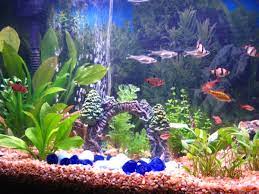
After setting up your tank and installing all necessary equipment, it’s time to add substrate and decorations. Gravel or sand can be used as substrate at the bottom of your tank, providing a natural environment for your fish to explore. Decorations such as rocks, plants, and driftwood not only enhance the aesthetic appeal of your aquarium but also provide hiding spots and shelter for your fish.
When it comes to selecting fish for your aquarium, research is key. Different species have different requirements in terms of water temperature, pH levels, diet, and compatibility with other fish. It’s important to choose species that are compatible with each other and with the conditions in your tank. Start with hardy species that are easy to care for before branching out into more challenging species.
Finally, maintaining water quality is essential for the health and well-being of your fish. Regular water changes, proper filtration, testing water parameters, and monitoring temperature are all important aspects of aquarium maintenance. Remember that keeping an aquarium is a commitment that requires time and effort but with proper care, you can create a beautiful underwater world for your fish.
Fish Fundamentals: Setting Up Your First Aquarium
Setting up your first aquarium is an exciting and rewarding experience. Whether you’re a beginner or looking to expand your knowledge, creating a healthy and thriving aquatic environment requires careful planning and attention to detail. This guide will walk you through the essential steps for setting up your first aquarium, from selecting the right tank to introducing your fish.
1. Choosing the Right Aquarium
Your first decision is selecting the right tank. The size and type of aquarium you choose will impact the health and happiness of your fish.
– Tank Size: For beginners, a larger tank (at least 20 gallons) is recommended. Larger tanks are more stable and forgiving of minor mistakes in water quality management. Smaller tanks require more frequent maintenance and can quickly become inhospitable if something goes wrong.
– Tank Shape: Rectangular tanks are the most common and provide ample surface area for gas exchange. Tall or unusually shaped tanks can look attractive but may pose challenges for maintenance and fish compatibility.
– Material: Glass tanks are durable and scratch-resistant, while acrylic tanks are lighter and less likely to break but are prone to scratching. Choose the material based on your needs and budget.
2. Essential Equipment
Having the right equipment is crucial for maintaining a healthy aquarium.
– Filter: A good filtration system is essential for keeping the water clean and safe for your fish. Choose a filter that matches your tank size and type of fish. There are three types of filtration to consider: mechanical (removes debris), biological (breaks down waste), and chemical (removes toxins).
– Heater: Most tropical fish require a stable water temperature between 75-80°F (24-27°C). A reliable aquarium heater with a thermostat will help maintain this temperature. Make sure the heater is suitable for your tank size.
– Lighting: Proper lighting is important for both fish and plants. LED lights are energy-efficient and long-lasting, offering a range of colors to enhance the appearance of your tank. If you plan to keep live plants, make sure the lighting is strong enough to support their growth.
– Substrate: The substrate is the material that lines the bottom of the tank. Gravel or sand are popular choices. The type of substrate you choose depends on the fish and plants you plan to keep. Fine gravel or sand is ideal for bottom-dwelling fish, while certain plants may require nutrient-rich substrates.
– Thermometer: A thermometer allows you to monitor the water temperature accurately. Stick-on thermometers are convenient, but digital thermometers with probes are more precise.
– Water Conditioner: Tap water contains chlorine and other chemicals that are harmful to fish. Use a water conditioner to neutralize these chemicals and make the water safe for your aquarium.
– Air Pump and Air Stone: An air pump and air stone provide additional oxygenation, which is especially important in densely stocked tanks. They also create water movement, which helps prevent stagnant areas.
3. Setting Up the Aquarium
Once you have all the necessary equipment, it’s time to set up your aquarium.
1. Positioning the Tank:
– Choose a stable, level surface away from direct sunlight, which can cause algae growth and temperature fluctuations. Ensure the stand or surface can support the weight of the filled tank (water weighs about 8.34 pounds per gallon).
2. Rinsing the Tank and Equipment:
– Before adding anything to the tank, rinse the aquarium, substrate, and decorations with warm water (no soap or chemicals). This removes dust and debris that could cloud the water.
3. Adding the Substrate:
– Spread the substrate evenly across the bottom of the tank, creating a gentle slope from the back to the front. This not only adds depth to your aquascape but also helps with waste management as debris tends to collect in the front.
4. Filling the Tank:
– Place a plate or plastic bag over the substrate to prevent displacement and slowly fill the tank with water. Fill it halfway, then arrange your decorations and plants before filling it to the top.
5. Installing Equipment:
– Install the filter, heater, and any other equipment according to the manufacturer’s instructions. Ensure the heater is submerged and positioned near a good flow of water to distribute heat evenly.
6. Cycling the Tank:
– Before adding fish, the tank needs to be cycled. Cycling establishes beneficial bacteria that convert toxic ammonia into less harmful nitrites and nitrates. This process can take several weeks. You can cycle the tank using fish food, pure ammonia, or a commercial bacterial supplement.
4. Selecting and Introducing Fish
Once your tank is cycled and stable, it’s time to introduce your fish.
– Choosing Fish: Start with hardy species that can tolerate minor fluctuations in water quality. Common beginner fish include guppies, tetras, mollies, and bettas. Research each species’ specific needs, such as temperature, pH, and compatibility with other fish.
– Stocking Levels: Avoid overcrowding your tank. A general rule is one inch of fish per gallon of water, but this varies depending on the species and their activity levels. Understocking is always better than overstocking, especially for beginners.
– Acclimating Fish: Acclimate your fish slowly to their new environment to prevent shock. Float the sealed bag with the fish in the tank for 15-20 minutes to equalize the temperature. Then, gradually add small amounts of tank water to the bag over the next 30-60 minutes before releasing the fish into the tank.
5. Maintaining Your Aquarium
Regular maintenance is key to a healthy aquarium.
– Weekly Water Changes: Perform partial water changes (10-20% of the tank’s volume) weekly to remove waste and replenish essential minerals. Use a gravel vacuum to clean the substrate during water changes.
– Filter Maintenance: Clean the filter media monthly to remove accumulated debris. Avoid washing the filter media in tap water, as this can kill beneficial bacteria. Instead, rinse it in a bucket of tank water.
– Monitor Water Parameters: Regularly test the water for ammonia, nitrites, nitrates, and pH using an aquarium test kit. Keep a log of the results to spot any trends or issues early.
– Algae Control: Algae growth is normal, but excessive algae can indicate an imbalance in the tank. Reduce feeding, adjust lighting, or introduce algae-eating fish or snails if needed.
CONCLUSION
Setting up your first aquarium is a rewarding experience that requires careful planning and attention to detail. By following these steps, you can create a beautiful and healthy environment for your fish to thrive. With the right setup and ongoing care, your aquarium will bring you joy and relaxation for years to come. Happy fishkeeping!
Setting up your first aquarium can be a fun and rewarding experience if done correctly. By following these fundamentals – choosing the right tank size, selecting appropriate equipment, adding substrate and decorations thoughtfully, researching fish species carefully, and maintaining water quality diligently – you can create a thriving aquatic ecosystem for your newfound friends. Remember that patience is key when starting an aquarium; take the time to set up everything properly before adding any fish. With dedication and commitment, you can enjoy watching your aquatic pets flourish in their new home!

©2024 Instant Pet Supplies. All rights reserved.